Sewer Line Installation in Denver, CO
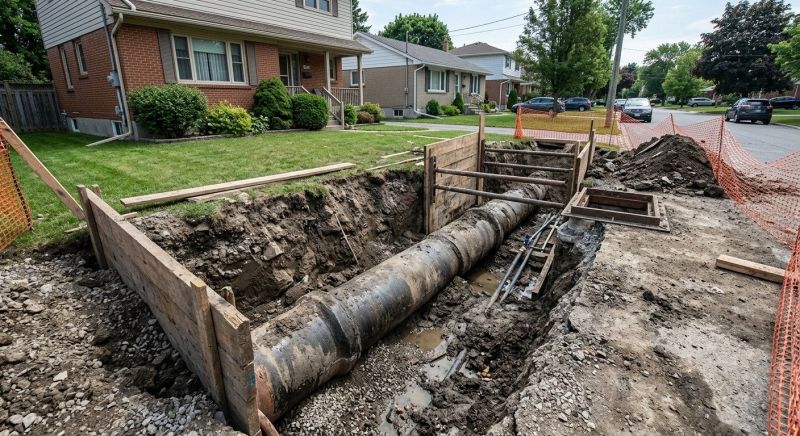
Sewer line installation services involve setting up the underground pipes that carry wastewater from a property to the main sewer system. These projects are common during new construction, major renovations, or when replacing aging or damaged sewer lines. Property owners typically want to understand the scope of work involved, including the materials used, the potential impact on landscaping or structures, and any necessary permits or planning considerations before beginning the project.
Before requesting sewer line installation, homeowners should consider the condition of existing sewer infrastructure and whether a new line is needed or if repairs might suffice. It’s also helpful to know the location of underground utilities, property layout, and any specific local regulations that could influence the project. Clear communication about these aspects can facilitate a smoother process and ensure the installation meets the property’s needs effectively.
Many property owners in Denver, CO look into Sewer Line Installation for repairs, replacements, upgrades, and appearance-related improvements.
Sewer Line Installation Options
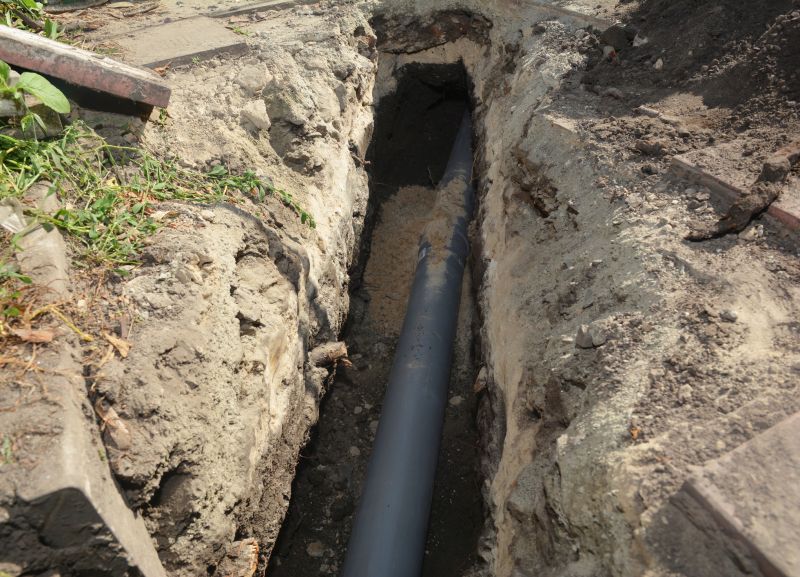
Choosing the right sewer line system depends on property size and usage needs.
Signs Of Sewer Line Issues
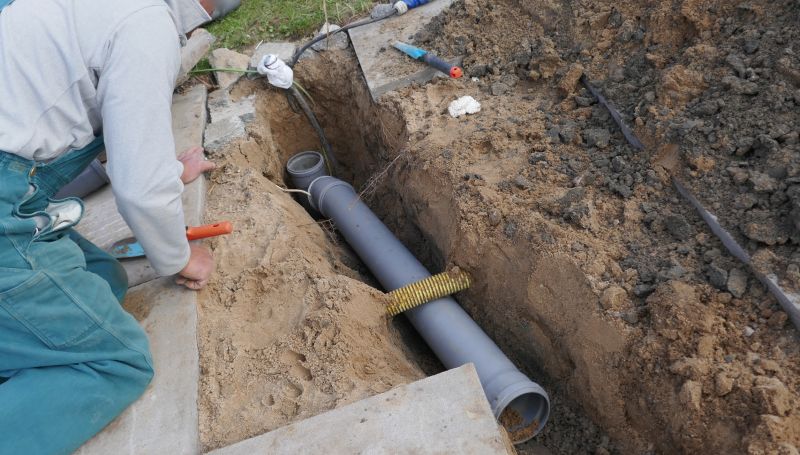
Homeowners should watch for persistent backups, foul odors, or slow drains as potential indicators.
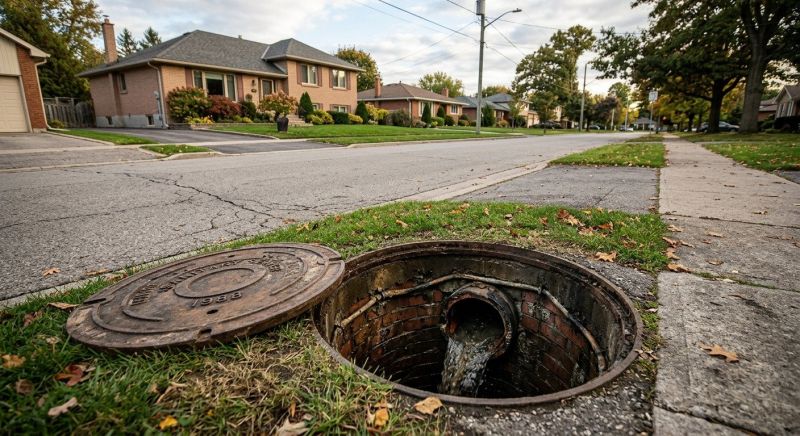
Planning For Sewer Line Projects
Proper planning ensures a durable installation that meets the specific demands of denver properties.
Sewer Line Installation in Denver, CO
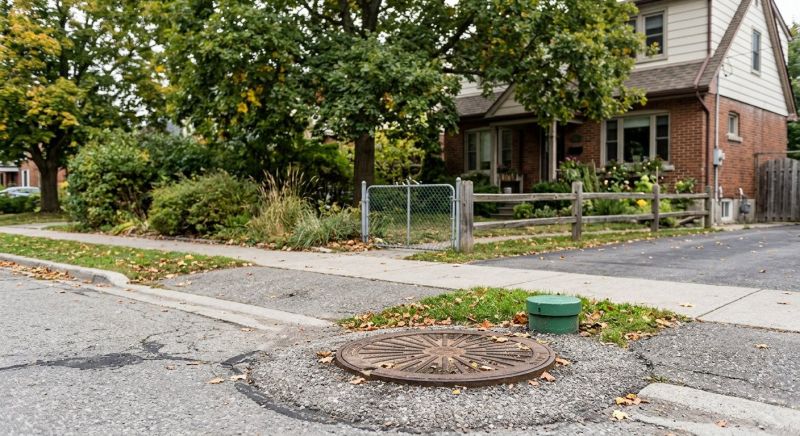
Sewer line installation services involve setting up the underground pipes that carry wastewater from a property to the main sewer system. These projects are common during new construction, major renovations, or when replacing aging or damaged sewer lines. Property owners typically want to understand the scope of work involved, including the materials used, the potential impact on landscaping or structures, and any necessary permits or planning considerations before beginning the project.
Before requesting sewer line installation, homeowners should consider the condition of existing sewer infrastructure and whether a new line is needed or if repairs might suffice. It’s also helpful to know the location of underground utilities, property layout, and any specific local regulations that could influence the project. Clear communication about these aspects can facilitate a smoother process and ensure the installation meets the property’s needs effectively.
Many property owners in Denver, CO look into Sewer Line Installation for repairs, replacements, upgrades, and appearance-related improvements.
Common Sewer Line Installation Jobs
New sewer line installation - essential for replacing outdated or damaged sewer systems.
Residential sewer line replacement - improves flow and prevents backups in homes.
Trenchless sewer line installation - minimizes yard disruption during pipe replacement projects.
Septic system sewer line connection - links the property to septic tanks or municipal systems.
Sewer line repair services - address leaks, blockages, and root intrusions efficiently.
Underground sewer line installation - ensures reliable waste removal for new constructions or renovations.
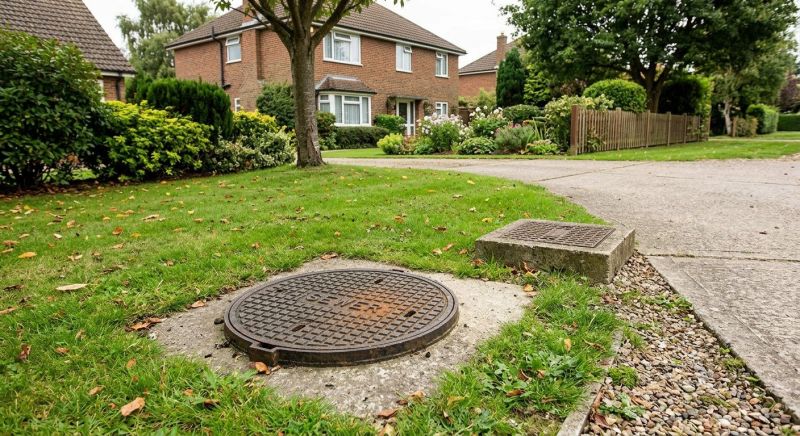
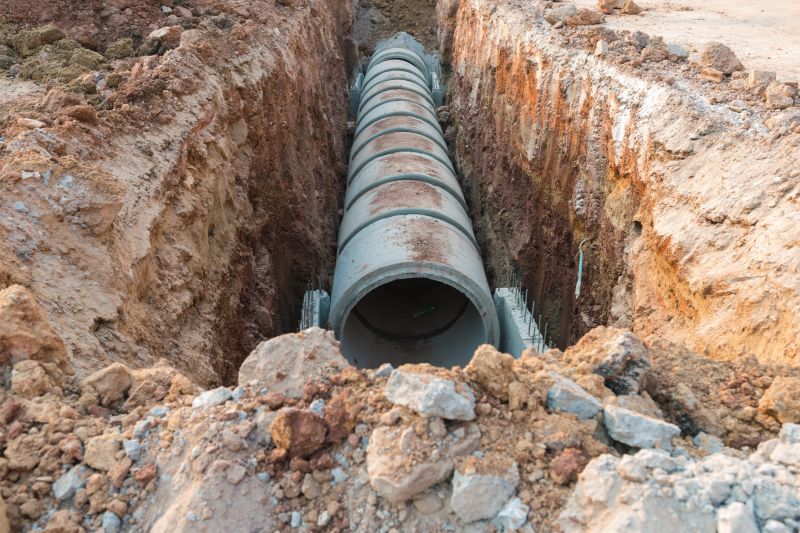
Sewer Line Installation Questions
What is involved in sewer line installation? It includes excavating the area, replacing or installing new pipes, and ensuring proper connections for reliable drainage.
When should a property owner consider sewer line installation? It is typically needed during new construction, major repairs, or if existing sewer lines are damaged or blocked beyond repair.
What types of sewer pipes are commonly used? PVC, cast iron, and ABS pipes are common options, chosen based on durability and compatibility with the property’s plumbing system.
Are there signs indicating a new sewer line might be needed? Signs include persistent backups, unpleasant odors, slow drains, or visible damage to existing sewer pipes.
Request Sewer Line Installation in Denver, CO
Use the quote form on this page to share the basics of your project and request more information for the type of work you need.